Understanding the Steps Involved and What You’ll Need to Know
When you’re planning home renovations, knowing what to expect can make the process smoother. This is especially true with tasks like drywall installation. Understanding each phase helps manage your expectations and prepare for anything that might come up. Whether you’re doing it yourself or hiring a professional, this guide will cover everything from preparation to finishing touches.
Initial Planning and Preparation
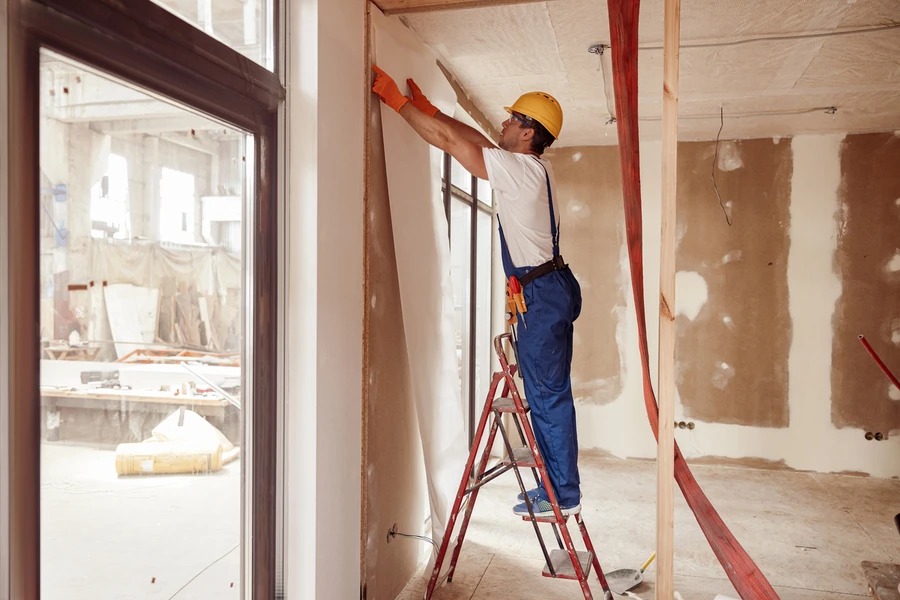
The first step in the drywall installation process is thorough planning. Assess the space where the drywall will go and measure accurately. You’ll need enough materials to cover walls without gaps or overlaps. Consider electrical outlets and switches; they require precise cutting later on. Getting all materials ready before starting saves time and reduces mid-project trips to the store.
Selecting Quality Materials
Choosing high-quality materials is crucial for successful drywall installation. Opt for standard drywall sheets for most rooms but consider moisture-resistant varieties for bathrooms or basements. Don’t forget to buy drywall mud, tape, and screws. These components are essential for securing the panels and ensuring smooth seams.
Installation of Drywall Panels
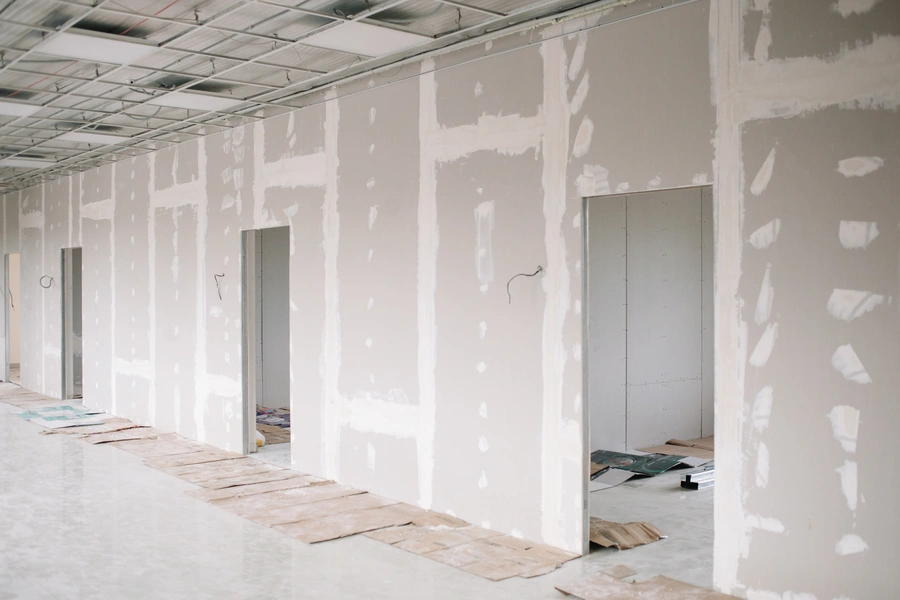
With all materials at hand, you can begin placing the drywall panels on the frame. Start by attaching the sheets to the studs using screws. Ensure each panel fits snugly next to its neighbor, minimizing gaps. This phase of drywall installation requires care; precise placement makes subsequent taping and mudding easier.
Taping and Mudding Seams
After installing panels, focus shifts to taping and mudding seams. Apply drywall tape over joints between panels, then cover them with joint compound (also known as mud). Smooth out the compound evenly across the surface. This process may need repeating several times to achieve flat, invisible seams once painted.
Sanding for a Smooth Finish
Once the mudding process is complete, sanding ensures a smooth finish. Use fine-grit sandpaper to gently remove any bumps or ridges left by dried compound. Safety gear like masks is essential here due to dust. Proper sanding is key for achieving the flawless look many homeowners desire.
Applying Primer and Paint
The last steps involve priming and painting your new walls. Primer prepares the surface for paint by sealing porous areas and providing a uniform base color. After priming, apply two coats of paint for even coverage. At this stage, you finally see your efforts transform into a fresh, clean wall.
Common Challenges and How to Avoid Them
You may encounter challenges during drywall work, such as uneven seams or bubbling tape. To avoid these issues:
- Ensure correct measurements before cutting panels
- Apply joint compound in thin layers to prevent bubbles
- Allow adequate drying time between each step
By following these tips, you can minimize errors and stress throughout your project.
Cost Considerations for Homeowners
The cost of installing drywall can vary based on factors like room size and material choice. High-quality products tend to be more expensive but often offer better longevity. Labor costs also add up if you decide against DIY installation. However, investing in professionals can save time and guarantee superior results.
Your Next Step Towards a Perfect Wall
If you’re seeking top-notch support for your renovation needs, consider reaching out today. Located in Phoenix, AZ, I provide expert advice tailored to your specific situation. Call me at (480) 432-2147 for guidance suited to your property. Mountain Walls Drywall LLC is committed to turning your vision into reality with ease and precision.